


Building electrification, done right
Getting off gas takes more than swapping a box. It takes the right heat pump, enough electrical service to run it, and rebate paperwork done in the right order so the money actually pays out. We handle all three, for businesses, apartment buildings and homes.
Why owners are electrifying now
- Clean Buildings and Seattle BEPS. Washington’s Clean Buildings Performance Standard and Seattle’s Building Emissions Performance Standard put energy and emissions targets on existing commercial and multifamily buildings. Seattle BEPS covers nonresidential and multifamily buildings over 20,000 sq ft, with first emissions targets in 2031–2035 and net-zero emissions in 2041–2050.
- The new-construction energy code. Since March 15, 2024, the 2021 Washington State Energy Code pushes new commercial buildings toward heat pumps for space and water heating. A fossil-fuel path still exists, but it costs extra efficiency measures and requires electrification-ready infrastructure.
- Incentive money is on the table. Utility and state programs help pay for heat pumps, VRF, heat pump water heaters and controls. Some need approval before you buy.
- You get cooling too. A heat pump heats and cools. A lot of Western Washington buildings that never had AC get it in the same project.
The short version
What is building electrification?
Building electrification means moving heating, hot water and cooking off fossil fuel and onto electric equipment, mostly heat pumps. Done right, it is a plan: equipment, electrical capacity, ventilation and timing.
Why it matters
- Seattle BEPS sets emissions limits that gas equipment makes hard to meet
- Heat pumps are far more efficient than electric resistance heat
- Planning ahead avoids replacing a dead gas unit with another gas unit
- Incentives can cover part of the cost when you plan before you buy
Who it’s for
- Owners of buildings over 20,000 sq ft in Seattle
- Buildings under Washington Clean Buildings
- Churches, offices, retail and multifamily replacing aging gas equipment
- Homeowners moving off gas or oil
What we can do for you
- Equipment and electrical service survey
- Heat pump, VRF and heat pump water heater options with costs
- Phasing plan tied to equipment age and deadlines
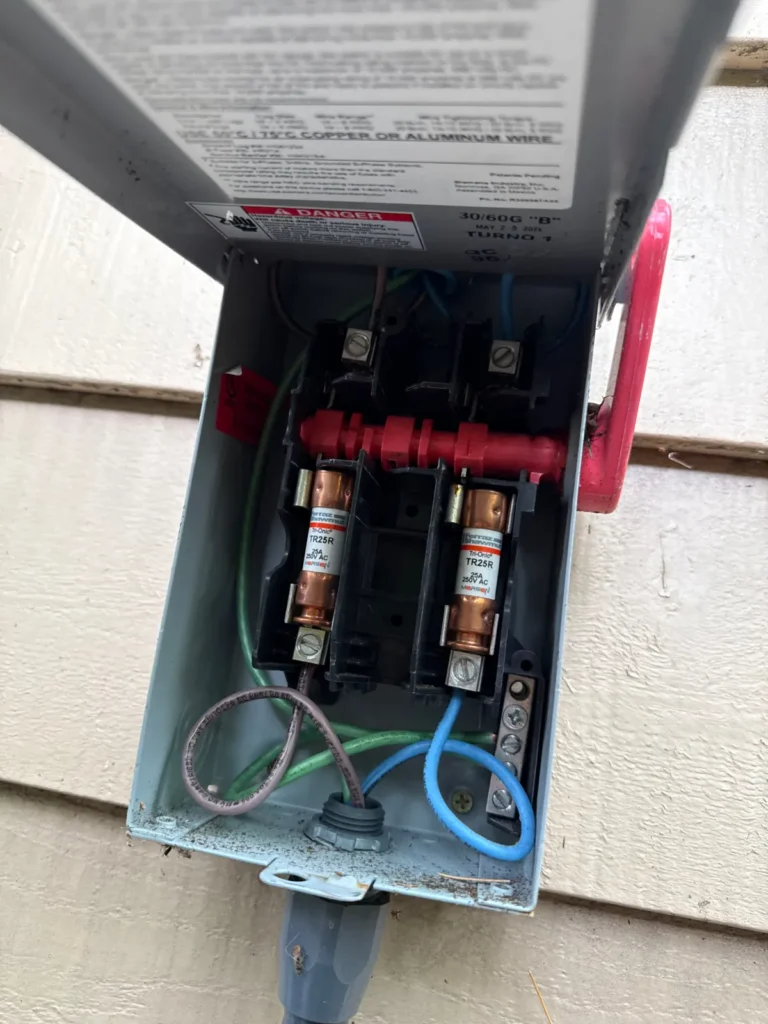
- Coordination of electrical upgrades
- Rebate and incentive applications
Work we’ve done
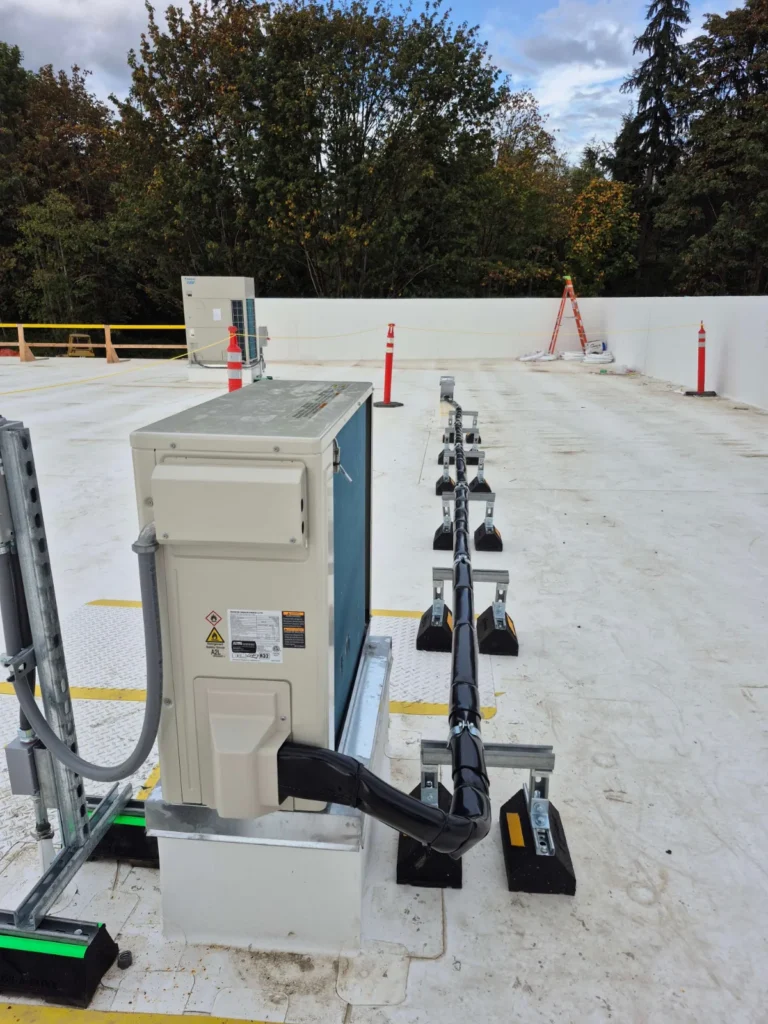
- Converting a Puyallup church to an all-electric Daikin VRV system
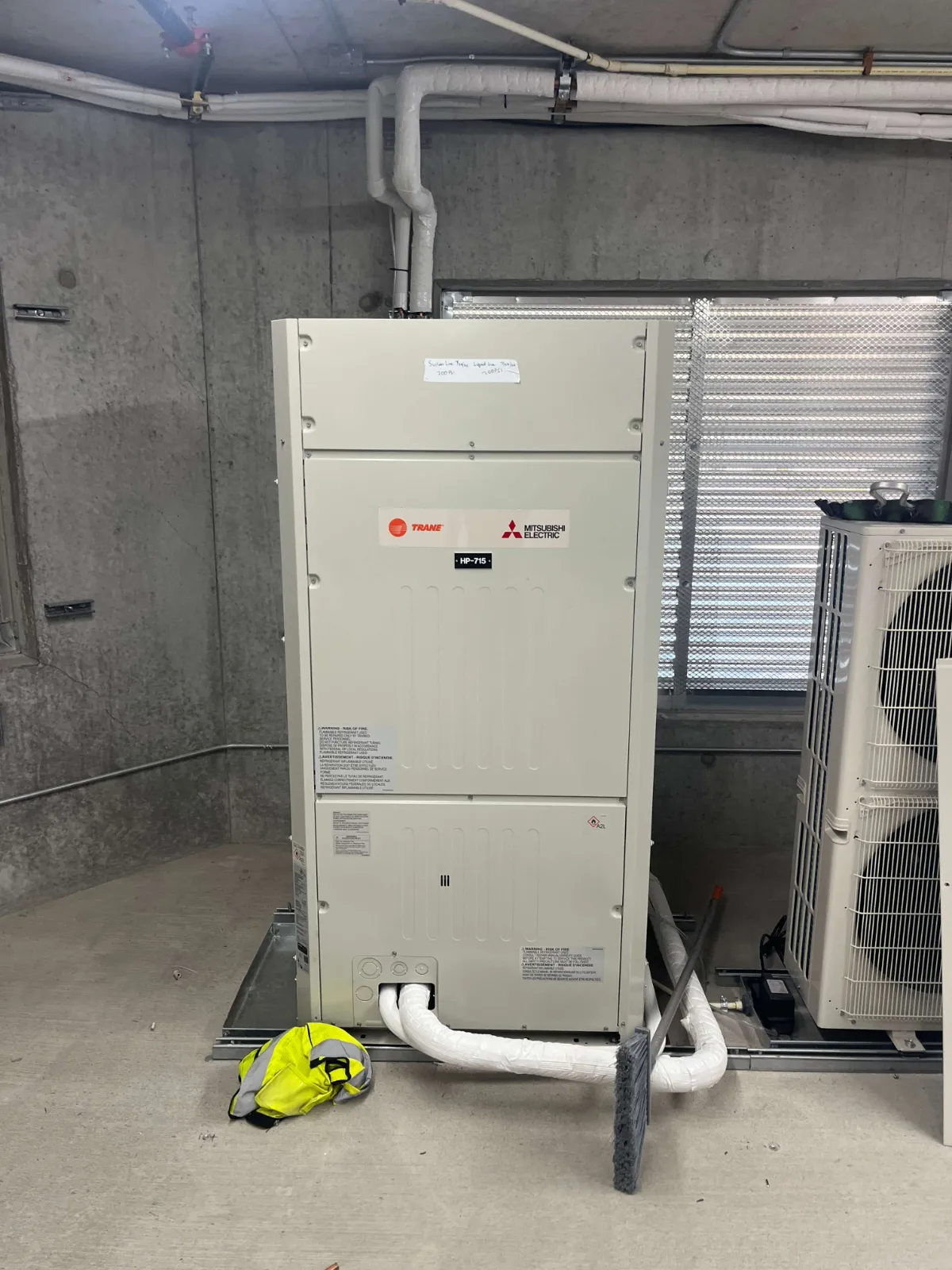
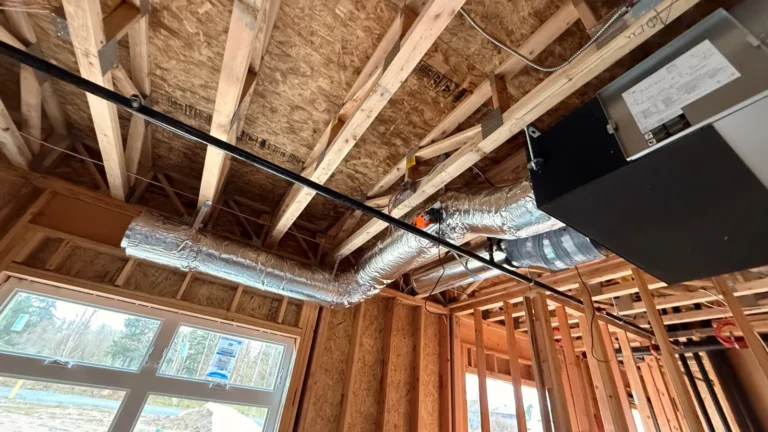
- Installing air handler and heat pump systems for restaurant build-outs in Woodinville
- Replaced aging split systems with heat pumps for homes and apartments
Real Omni jobs. We don’t name customers.
Commercial & multifamily
- Gas rooftop units to heat pump rooftop units
- VRF / VRV systems for offices, retail and mixed-use
- Ducted and ductless split heat pumps for tenant spaces and small commercial
- Central heat pump water heating, including CO2 systems, for apartments, restaurants and hospitality
- Packaged terminal heat pumps replacing PTACs and wall heaters
- Controls and DOAS so the new system runs the way it should
Homes
- Gas or oil furnace to heat pump, ducted or ductless
- Dual-fuel setups when a full switch doesn’t pencil yet
- Heat pump water heaters
- Baseboard heat to ductless heat pumps
- Rebate paperwork handled
What we get right
Electrical capacity
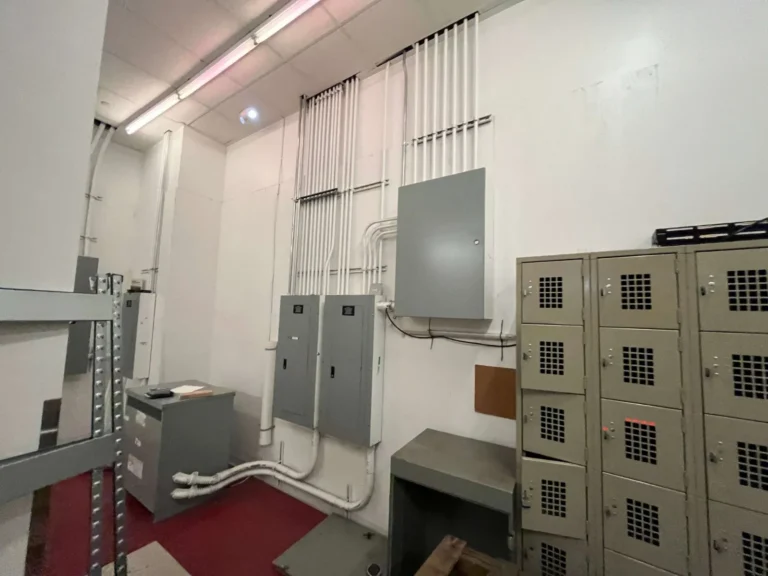
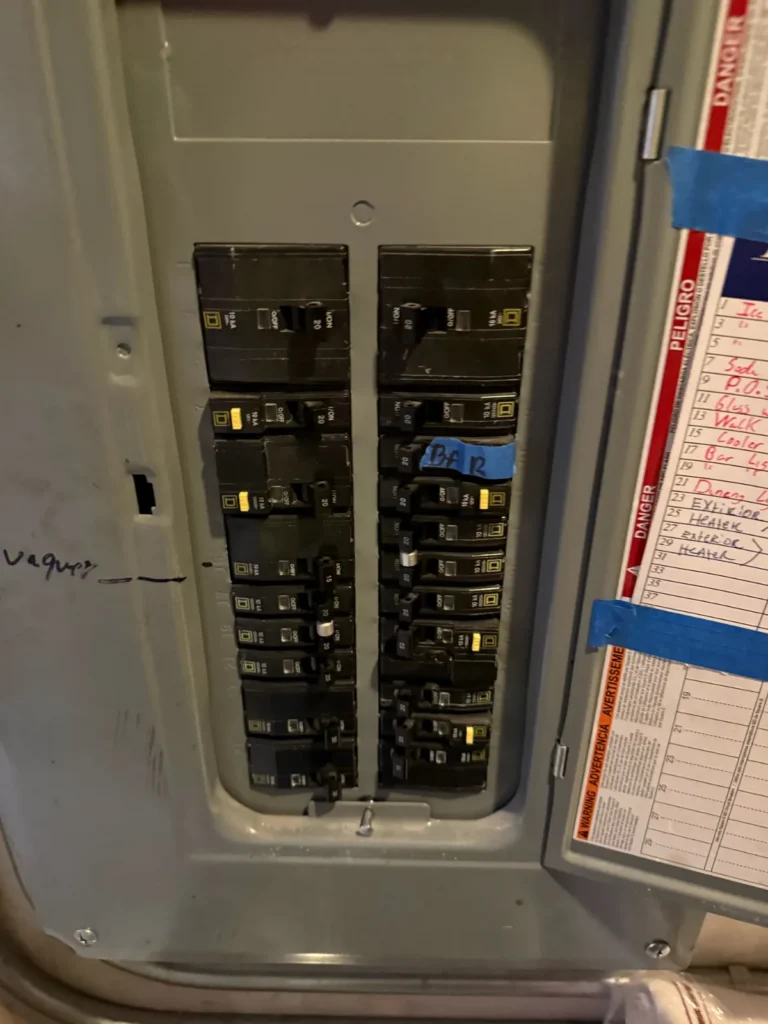
Most stalled electrification projects die at the panel. We’re a licensed Washington electrical contractor (HVAC/refrigeration specialty), so we check service size, panel space and load before we quote, and we wire our own equipment. If the building needs a bigger service, you hear it up front.
Sizing for our climate
Heat pumps get sized to the design temperature, not a rule of thumb, with backup heat where it makes sense.
Phasing
Space heating and water heating don’t have to happen at once. We plan the order around what’s closest to failing and what the incentives reward.
Pre-approvals
Seattle City Light’s commercial incentives require approval before equipment is bought or installed. We line that up first so you don’t lose the money.
Ductwork and distribution
Heat pumps move air differently than a gas furnace. We check the ducts, or go ductless where that’s the better call.
Compliance targets
Gas is the main emissions source in most buildings. Our energy management partner can model what a conversion does for your Clean Buildings or BEPS numbers.
How it works
Walkthrough
Existing equipment, gas load, electrical service, ductwork, and room for outdoor units and water heating.
Options with real numbers
Equipment, electrical scope, the incentives you actually qualify for, and what’s left for you to pay.
Pre-approval first
We file the pre-approvals that need to happen before anything gets ordered.
Install, start-up, paperwork
We commission it, set up controls, and submit the rebate documentation.
Incentives at a glance
- WA Clean Buildings Tier 2 early adopter incentive: $0.30/sq ft ($0.75 for multifamily with an anti-displacement agreement). Apply by July 1, 2027.
- Seattle City Light commercial: $0.36 per kWh saved for heat pumps and VRF replacing electric resistance, and for qualifying central heat pump water heating. Pre-approval required; capped at 70% of project cost.
- City Light small business stacked rebates: up to $10,000 off heat pumps under 5.4 tons and $4,000 off heat pump water heaters under 120 gallons (Seattle, Shoreline, Lake Forest Park and Burien; fewer than 50 employees; until funds run out).
- PSE: instant discounts on heat pumps 5.4 tons and under, $650 per commercial heat pump water heater replacing electric resistance, and $1,000 for residential heat pump water heaters ($1,100 income-qualified).
- Federal: the homeowner tax credits for heat pumps (25C/25D) ended for equipment placed in service after December 31, 2025.
Program details as of October 2026. Utility and state programs change and can run out of funds, so we confirm current amounts and eligibility before you buy anything.
Heat pump and electrification work
What our clients say


Common questions
Will a heat pump keep up in a Western Washington cold snap?
Yes, when it’s sized right. Cold-climate heat pumps keep making heat well below freezing, and our winters are mild by comparison. We size to the local design temperature and add backup heat where it makes sense.
Do I have to replace my gas water heater at the same time?
No. Space heating and water heating can be done in phases. Many owners start with whichever piece of equipment is closest to failing.
Does electrification help with Clean Buildings or Seattle BEPS?
Usually. Gas is the main emissions source in most buildings, so converting heating and hot water to heat pumps is one of the biggest levers for BEPS emissions targets. We can model it for your building.
Do I need an electrical upgrade to switch to a heat pump?
Sometimes. We check your service size and panel before we quote. We’re a licensed Washington electrical contractor for HVAC and refrigeration work, so we wire our own equipment and tell you up front if the building needs more service.
Is there financing for electrification projects?
Yes. Commercial financing is available through EGIA’s OPTIMUS program, subject to credit approval. Homeowners can ask us about financing options.
What is building decarbonization?
Decarbonization means cutting a building’s greenhouse gas emissions, mostly by moving heating and hot water off gas onto efficient electric equipment like heat pumps. Seattle’s BEPS sets emissions limits that make it a requirement for many larger buildings.
Sources: Seattle Building Emissions Performance Standard · WA Commerce Clean Buildings · PAE: 2021 WA State Energy Code · WSR 24-03-085 (energy code amendments) · Rebate sources on our Rebates & Incentives page
Related services
Ready when you are
Thinking about getting off gas? Send us the building info and we’ll tell you straight what makes sense and what it takes.
Licensed, bonded & insured · WA Contractor License OMNIMMI779PR · WA Electrical Contractor (HVAC/Refrigeration) EC OMNIMMI740OS · Commercial financing available