


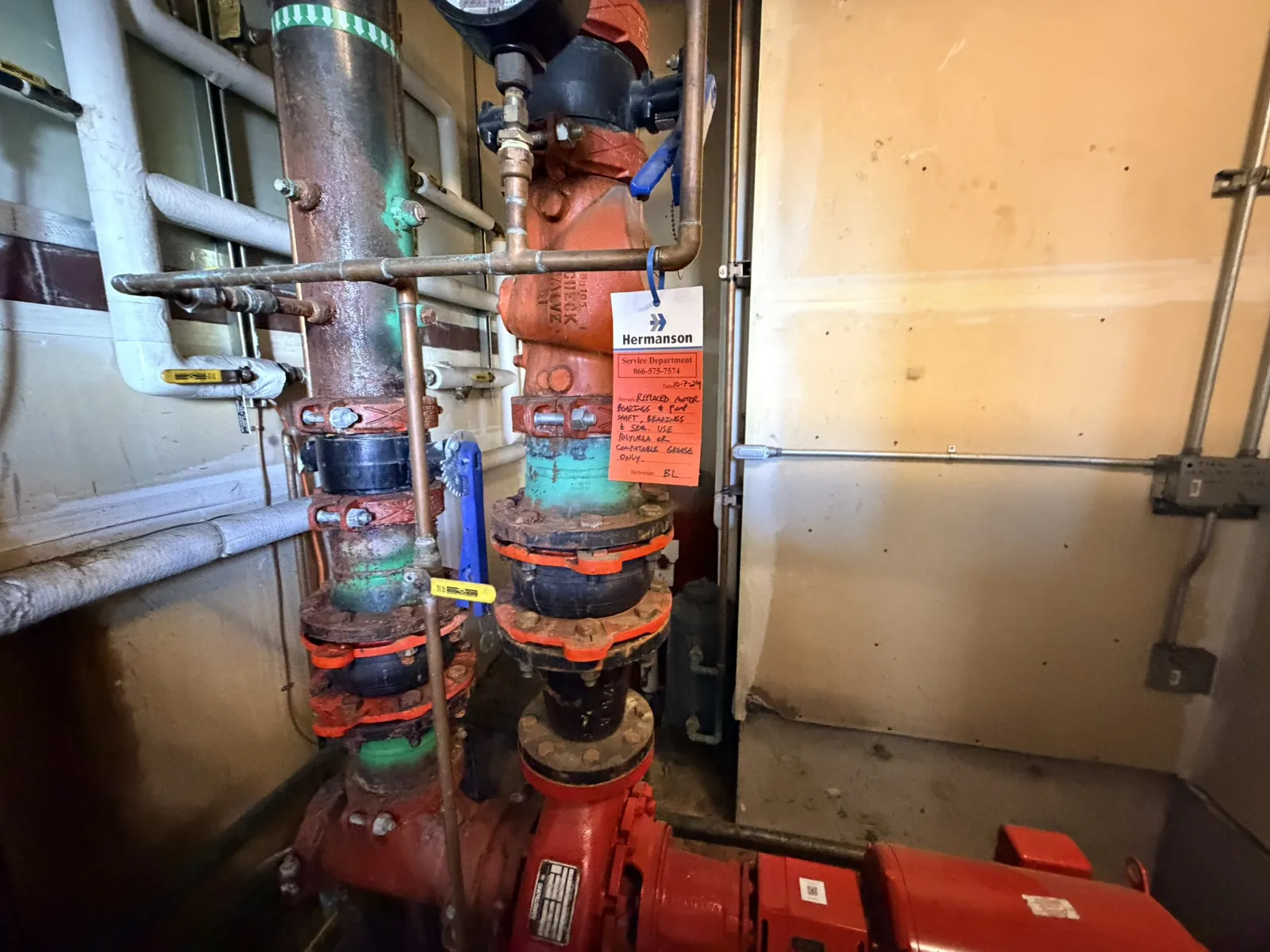
Commercial boiler service and hydronic heating
Lots of Western Washington buildings still run on boilers and hot water loops. We keep them running and help you plan what comes next.
What we work on
- Commercial and residential boilers
- Hydronic loops, pumps, valves and expansion tanks
- Heat exchangers and hydronic air handlers and fan coils
- Radiant systems
- Domestic hot water tied to the boiler plant
- Air-to-water heat pumps for boiler replacement
The short version
What are boilers and hydronics?
Hydronic systems move heat with water: boilers, chillers, pumps, piping, valves, fan coils and radiant. Many Western Washington buildings still run on them.
Why it matters
- A boiler or chiller lockout takes the whole building with it
- Pumps, valves and water treatment decide how long the plant lasts
- Air-to-water heat pumps can reuse existing hydronic piping when it’s time to electrify
- Plant data supports energy compliance
Who it’s for
- Older brick buildings and apartments
- Office and mixed-use towers with chillers
- Schools and churches
- Homes with boilers and radiant floors
What we can do for you
- Boiler service, repair and replacement
- Chiller troubleshooting, leak searches and repairs
- Pump rebuilds and replacements
- Valves, actuators, expansion tanks and air separators
- Air-to-water heat pump planning
Work we’ve done
- Diagnosed low-evaporator faults and found leaks on a downtown tower chiller
- Replaced failed expansion valves and a module on that chiller
- Rebuilt a recirculation pump in a Seattle apartment building
- Maintained residential boilers alongside furnaces and splits
Real Omni jobs. We don’t name customers.
What we see most
Boiler lockouts
Ignition failures, flame sensing, low water and pressure faults. Diagnosed and fixed, not just reset.
Cold zones
Air in the loop, failed circulators, stuck zone valves and bad controls.
Leaking or failing fan coils
Fan coils and piping replaced inside occupied units, with the work area protected.
Pumps and valves
Circulators, control valves and expansion tanks replaced and the system balanced.
Combustion and safety
Burners, flues and combustion checked so it runs safe and efficient.
Plan for what’s next
Air-to-water heat pumps can often feed your existing hydronic piping when the boiler’s done.
Service now, plan for later
Get the boiler checked before heating season: burners, safeties, combustion and water treatment. If it’s near end of life, we’ll lay out your options, including air-to-water heat pumps that keep your existing hydronic piping.
Our work
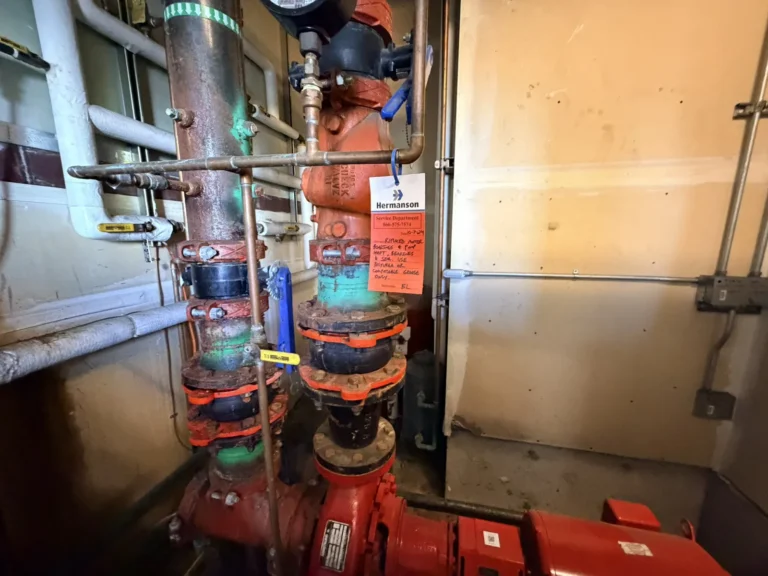
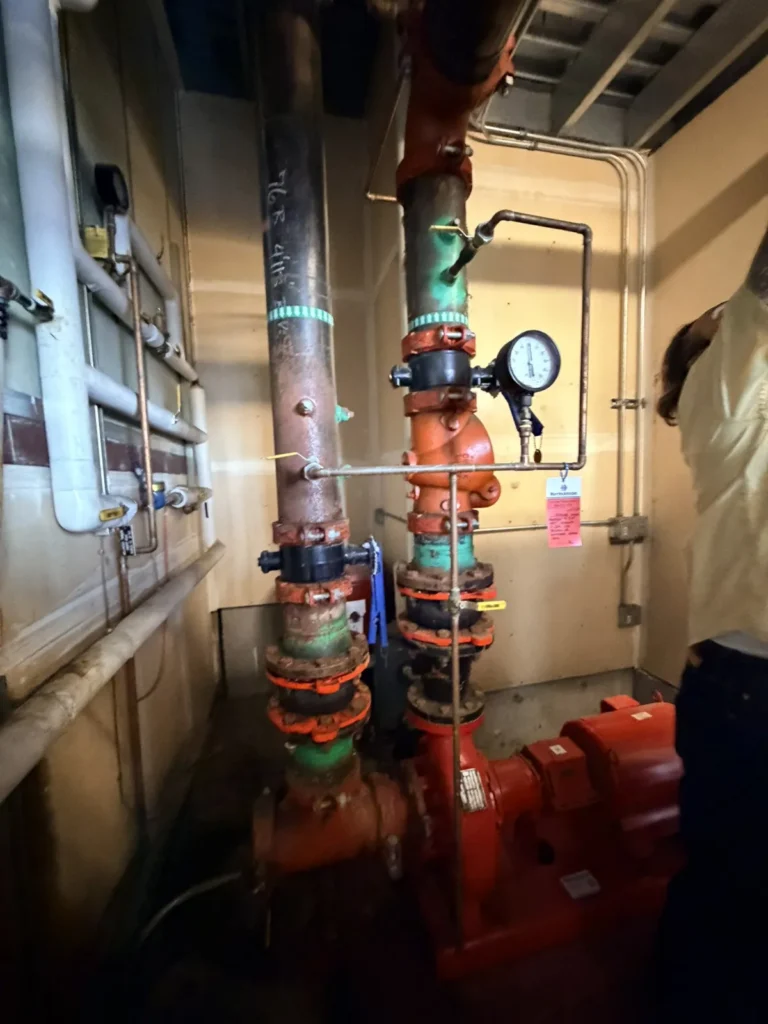
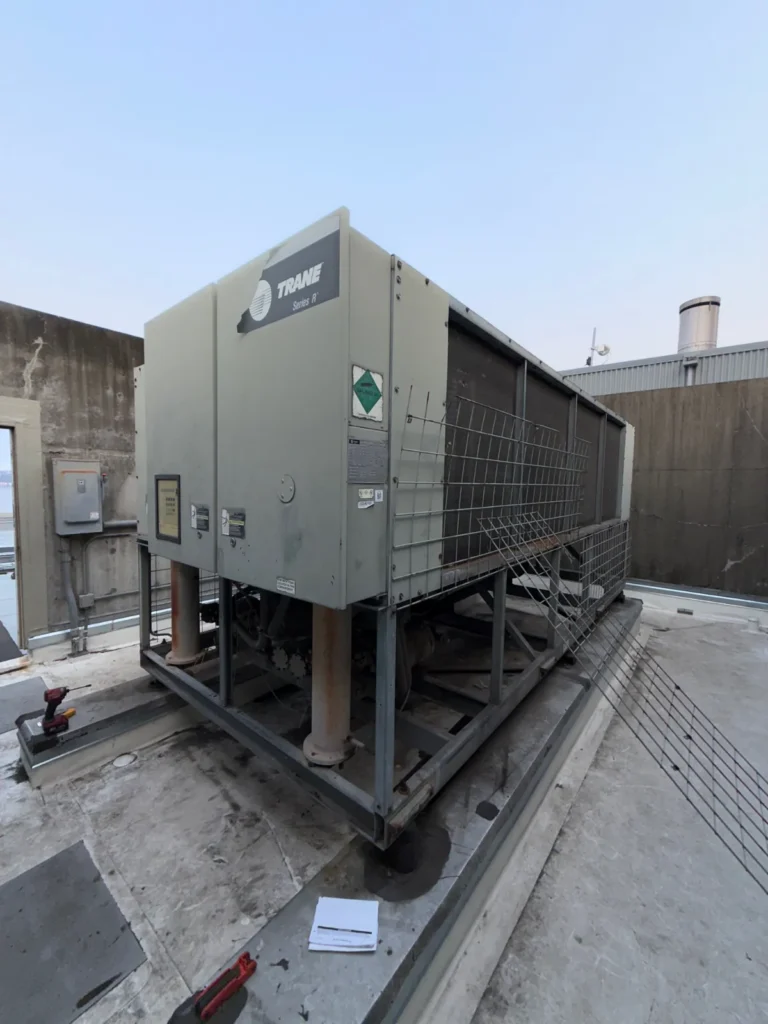
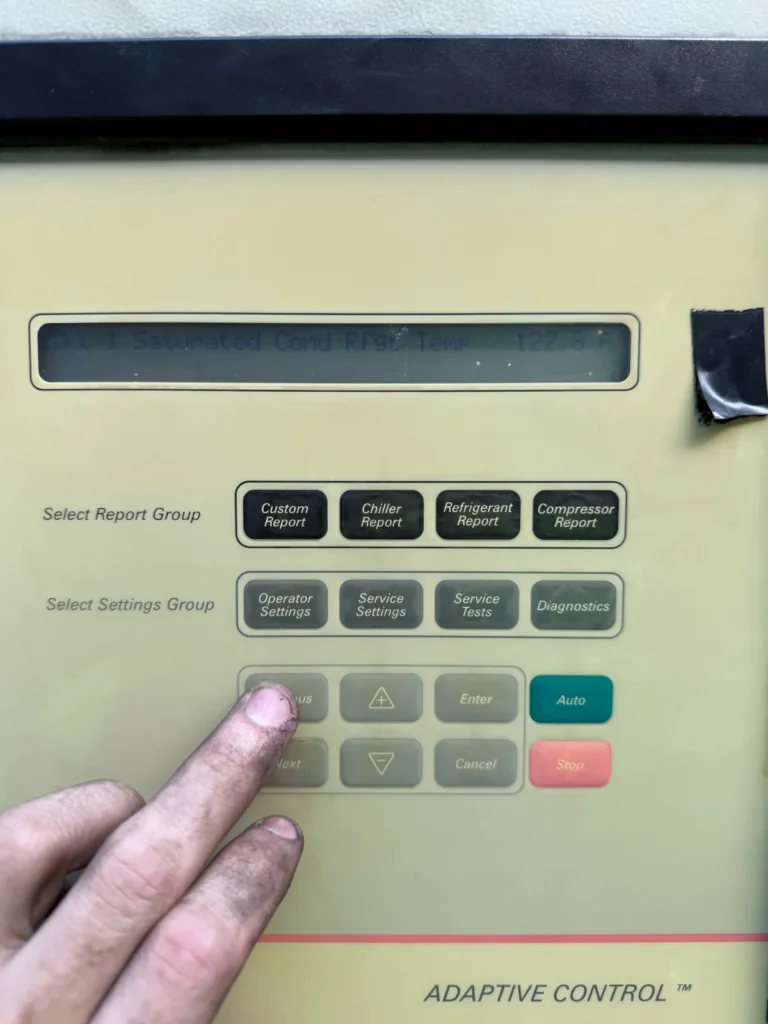
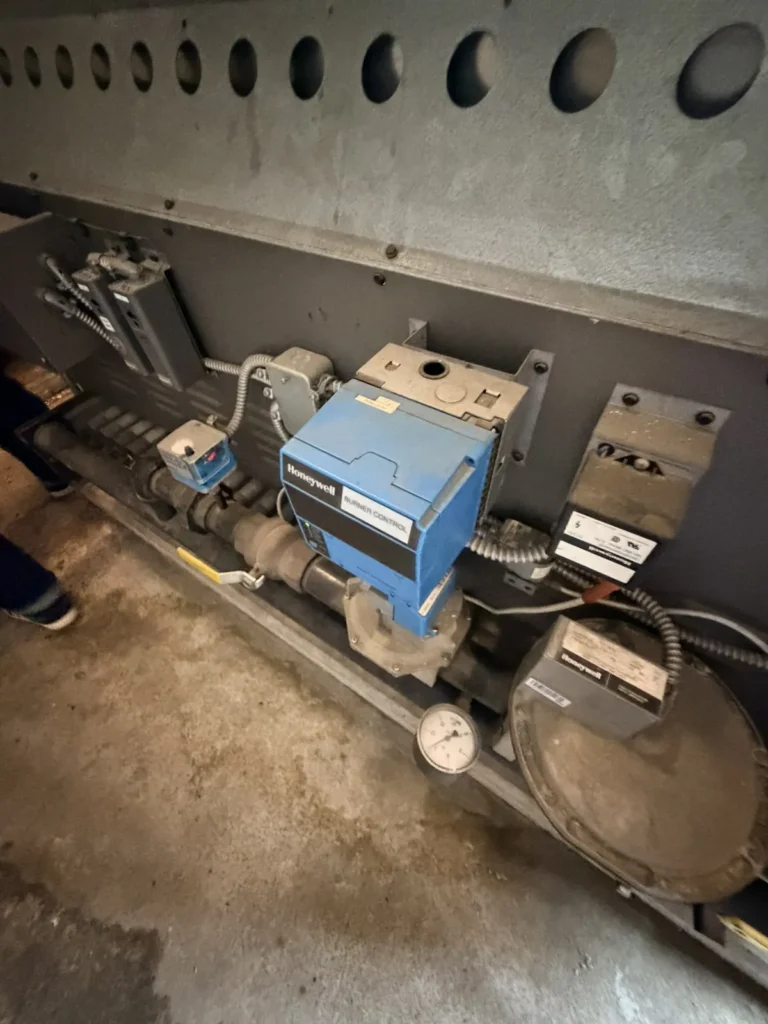
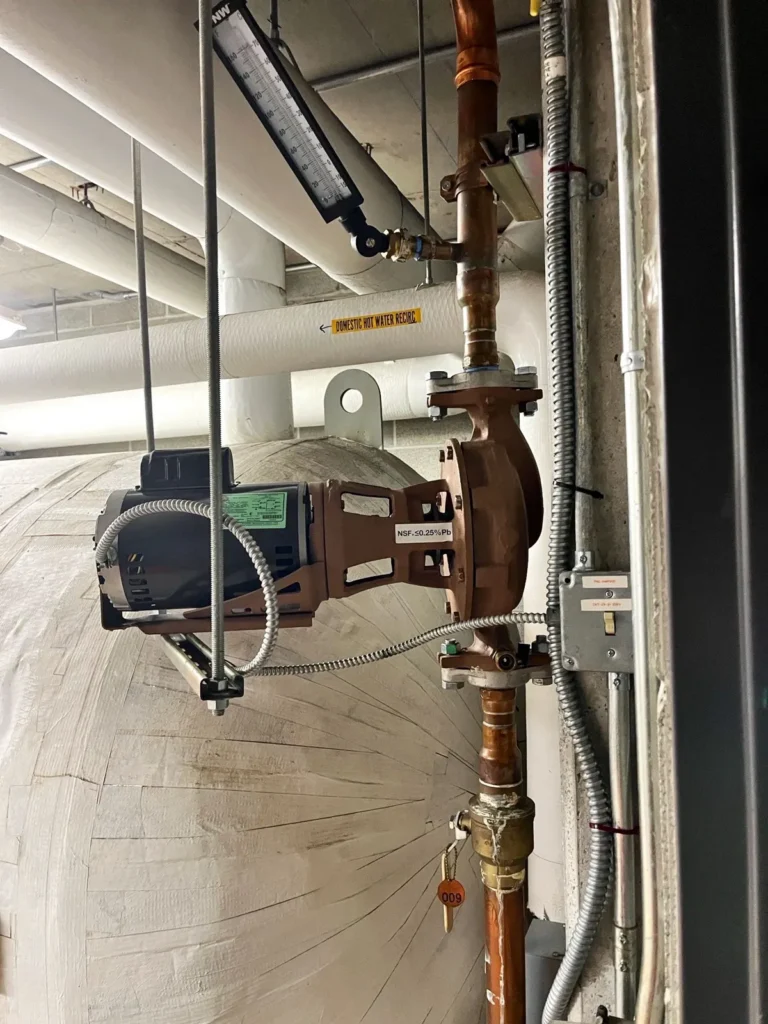
Commercial condensing boilers in Seattle
A condensing boiler only earns its rating when the water coming back to it is cool enough. Below about 130°F return water, the flue gas condenses and the boiler recovers heat that would otherwise go up the vent. Above that, it runs like a standard boiler. In GSA’s field test, condensing boilers ran 88% to 98% efficient against about 80% for traditional boilers, but only three of six sites stayed in condensing mode more than 30% of the time.
What keeps a condensing boiler condensing:
- Outdoor reset, so supply water temperature drops as the weather warms
- Two-way or pressure-independent valves and variable-speed pumps instead of constant flow
- Coils designed for a 40°F to 60°F temperature drop
- Sizing from a real load calculation, with several smaller boilers staged instead of one big one
In Seattle, check the energy code before a like-for-like swap. The 2021 Seattle Energy Code (section C503.4.6) covers replacing central gas heating with heat pumps, with exemptions (affordable housing, hospitals, nonprofits, costly utility upgrades), an option to keep 50% of existing gas capacity, and an emergency path. Each option needs a future decarbonization plan. We sort out which path your building is on before we quote.
Sources: GSA Green Proving Ground, Condensing Boilers (GPG-004); Seattle SDCI, 2021 Seattle Energy Code significant changes. Checked Nov 2026.
Commercial electric boilers
Electric boilers are coming up more as buildings move off gas for Clean Buildings, Seattle BEPS and electrification goals. They are simple, quiet and have no combustion venting, but they draw a lot of power, so the electrical service and your utility rate structure decide whether they make sense.
We look at the load, the electrical capacity and the operating cost against a heat pump or hybrid plant, then size and install what fits. We service and replace gas and electric boilers across Seattle, Bellevue, Medina and the rest of Western Washington.
How it works
Call or send a request
Tell us the equipment, what it’s doing, and how urgent it is.
We come look
A field-experienced tech or estimator sees it in person. Most diagnostics take 30 minutes or less.
Straight price first
You get what’s wrong, what it takes, and what it costs before we start.
Done right, written up
We finish clean, test it, and leave a written record of what we did.
What our clients say


Common questions
When should a boiler be serviced?
At least once a year, before heating season.
Can a boiler be replaced with a heat pump?
Often, yes. Air-to-water heat pumps can feed an existing hydronic system. It depends on the building’s heat load and water temperatures. We’ll check.
Do you work on residential boilers?
Yes. See our residential page.
Do you do boiler repair?
Yes. We handle boiler repair and service on commercial and residential hydronic systems: burners, ignition and controls, pumps, expansion tanks, valves and water treatment issues.
Where we do this work
Related services
Ready when you are
Tell us what’s going on. We call you back in less than 1 business day, usually much sooner.
Licensed, bonded & insured · WA Contractor License OMNIMMI779PR · WA Electrical Contractor (HVAC/Refrigeration) EC OMNIMMI740OS · Commercial financing available