


Building controls contractor: open, non-proprietary HVAC controls
Good equipment with bad controls wastes energy and money. We install, upgrade and troubleshoot controls so your system does what it’s supposed to.
What we do
- New building automation systems for new construction and retrofits
- Replacing aging or unsupported controls
- Troubleshooting schedules, setpoints, sensors and sequences
- Thermostat and zoning upgrades for smaller buildings
- Getting trend data and energy data out of your system for compliance reporting
The short version
What are HVAC controls?
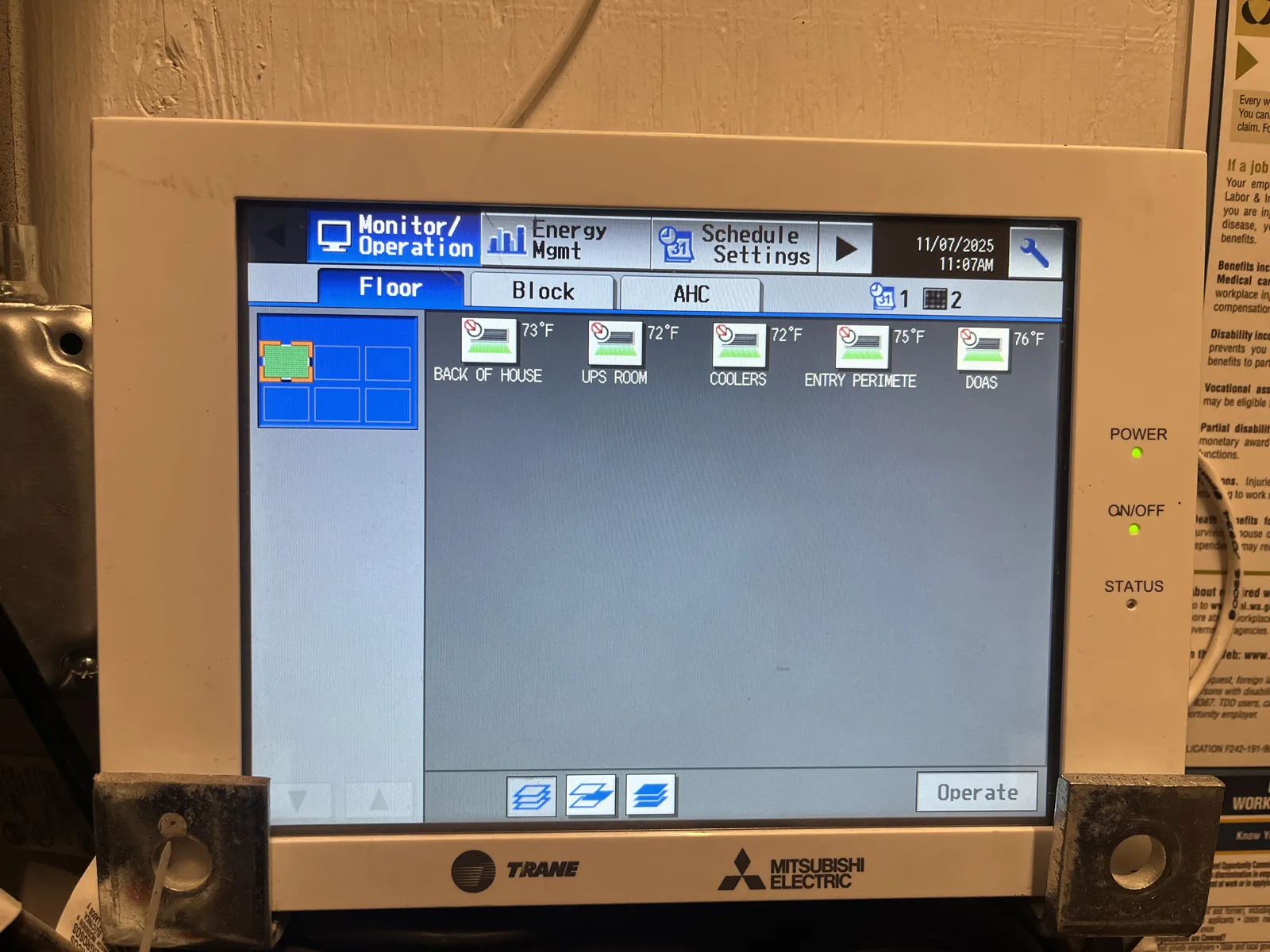
Controls tell your equipment when to run, how hard, and to what setpoint: thermostats, unit controllers, building automation systems, sensors, actuators and variable frequency drives (VFDs).
Why it matters
- Bad schedules and broken sensors are some of the most common causes of wasted energy
- Working controls keep comfort steady and equipment from short cycling
- Trend data supports Clean Buildings energy management plans
- Old, unsupported controls become a single point of failure
Who it’s for
- Owners with an aging or unsupported BAS
- Buildings with comfort complaints nobody can fix
- Restaurants with walk-in and kitchen exhaust controls
- Small buildings that need smart thermostats and scheduling
What we can do for you
- Plant and building controls replacements
- Thermostat, zoning and scheduling upgrades
- VFD troubleshooting and replacement
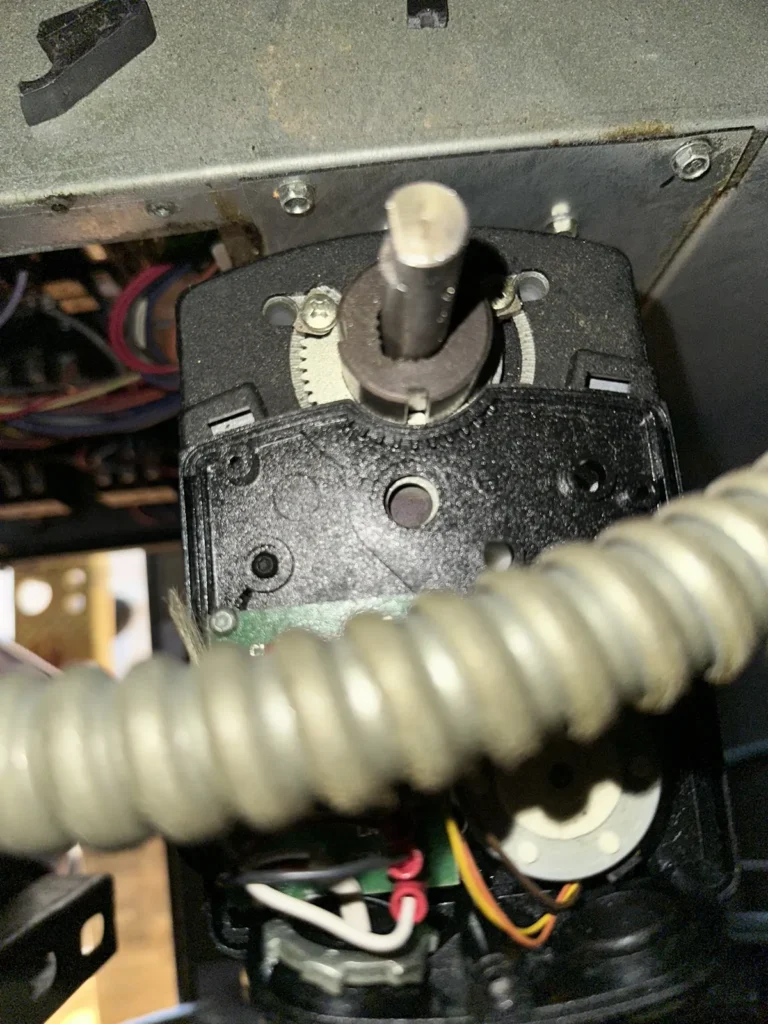
- Valve actuators, sensors and sequences
- Walk-in and refrigeration controllers
- Smoke control and fan interlocks
- Air balancing and damper setup alongside controls work
Work we’ve done
- Replacing a plant controls system on a Seattle waterfront building
- Mechanical work for a smoke control upgrade in Bellevue
- Fixed a dehumidifier that was reading mixed air by relocating its sensor
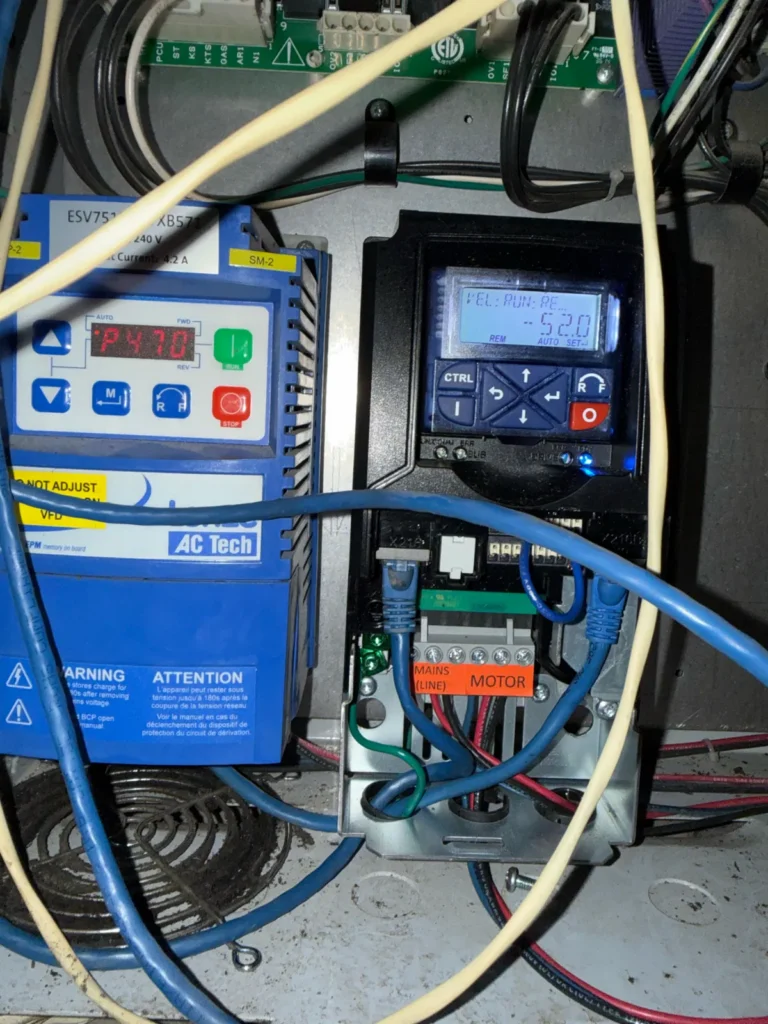
- Diagnosed a VFD fault on a restaurant extractor fan
- Replaced locked-out and failed thermostats in offices and shops
Real Omni jobs. We don’t name customers.
Proprietary vs. non-proprietary building controls
Every building automation system talks in some language. The real question is who owns it.
Proprietary systems run on the manufacturer’s own protocol, programming software and parts. Only that manufacturer’s branch or licensed dealer can program it, add to it or service it.
Non-proprietary (open protocol) systems use BACnet, the open standard published by ASHRAE as Standard 135. Any trained BACnet controls contractor can work on them, and equipment from different manufacturers can talk to each other.
| Proprietary | Non-proprietary (open BACnet) | |
|---|---|---|
| Who can service it | Only the manufacturer or its licensed dealer | Any trained BACnet controls contractor |
| Parts and expansion | Their parts, at their price | Mix brands that meet the standard |
| Software and passwords | Often held by the vendor, with licenses to renew | Full access, in your name |
| Service pricing | One company to call, so no real competition | You can bid service out |
| When a product is discontinued | Often a whole panel or network replacement | Swap the controller, keep the rest |
Why proprietary controls cost you more over time
- One company to call. When only one outfit can touch your system, you pay their rate and wait on their schedule.
- Parts and licenses add up. Proprietary controllers and software agreements get expensive, and the license count grows as the building grows.
- Discontinued hardware. When a product line gets retired, one failed controller can turn into replacing a whole panel or network.
- No real bids. An open bid for controls work is only possible when the controllers don’t run proprietary software.
Source: Consulting-Specifying Engineer, “Important considerations from the history of modern building control systems”, Oct. 11, 2023.
How we do it: non-proprietary controls with TCS
We install TCS controls. TCS Basys Controls is a Middleton, Wisconsin manufacturer that has built hardware for the building controls market for about 40 years. Their controllers and UbiquiSTAT room controllers are BTL-listed for BACnet IP and BACnet MS/TP, which means they’re tested to the BACnet standard, and TCS rates UbiquiSTAT as a room controller for any Niagara Framework platform.
What that means for you: the system speaks an open language. We can tie it into the BACnet equipment you already have, and if you ever want someone else to service it, they can. No lock-in.
The subscription is only for remote access, not for the system to run. TCS builds its controllers for stand-alone or network operation, and each one runs its own control loops, so the equipment keeps running whether or not you keep the cloud. TCS Ubiquity Cloud is what lets you see and change schedules and setpoints from a phone or computer, for one building or a whole portfolio. On our installs the first year of remote access is included, and after that it can roll into your maintenance agreement.
No building internet? No problem. If you don’t want to pay for an internet line just for the controls, we can connect the site gateway through a cellular modem instead. It needs its own small data plan, but no IT department and no network drop.
Sources, as of November 2026: TCS Basys Controls; TCS SZ1025b product manual (“Stand-alone or network operation”); TCS QD2040 Ubiquity site gateway installation manual (cellular modem connection).
What you get when we hand it over
We design and build the controls ourselves, pull the low-voltage permit, and hand you everything you need to own the system:
- Full access. Your building, your login. You’re never waiting on us to change a schedule.
- A real controls drawing set. Network riser, controller wiring, a point-to-point wiring schedule, the points list and sequence of operations, and a bill of materials.
- Startup and checkout, written up.
- As-builts at the end of the job.
- A walkthrough with your team, so the people in the building know how to use it.
Because it’s open BACnet hardware and you have the drawings, any qualified controls contractor can pick it up later. We’d rather keep you because we do good work, not because you’re stuck with us.
Moving off a proprietary system
You don’t have to rip it all out at once. We start with a walkthrough and a points list, then replace in phases, usually starting with the controllers that are failing or no longer supported. New open controllers tie into what’s still working, so the building keeps running while we change it over.
A good open system also gives you the trend and energy data you need for Washington Clean Buildings and Seattle BEPS reporting.
What we see most
Equipment running 24/7
Schedules lost after a power outage or never set. One of the cheapest fixes in a building.
Hot and cold complaints
Bad sensors, stuck dampers and valves, or sequences fighting each other.
Unsupported old controls
Panels nobody can program and parts that aren’t made anymore. We’ll lay out a replacement path.
Plant controls
Boiler and hydronic plant controls replaced and sequenced so the plant runs efficiently.
Data for compliance
Getting trend and energy data out of your system for Clean Buildings and BEPS reporting.
Smart thermostats
For smaller buildings, programmable thermostats and zoning go a long way.
Controls and compliance
Washington’s Clean Buildings law and Seattle’s BEPS both reward buildings that run efficiently. Fixing schedules and sequences is often the cheapest energy savings in a building. We’ll find it.
Our work
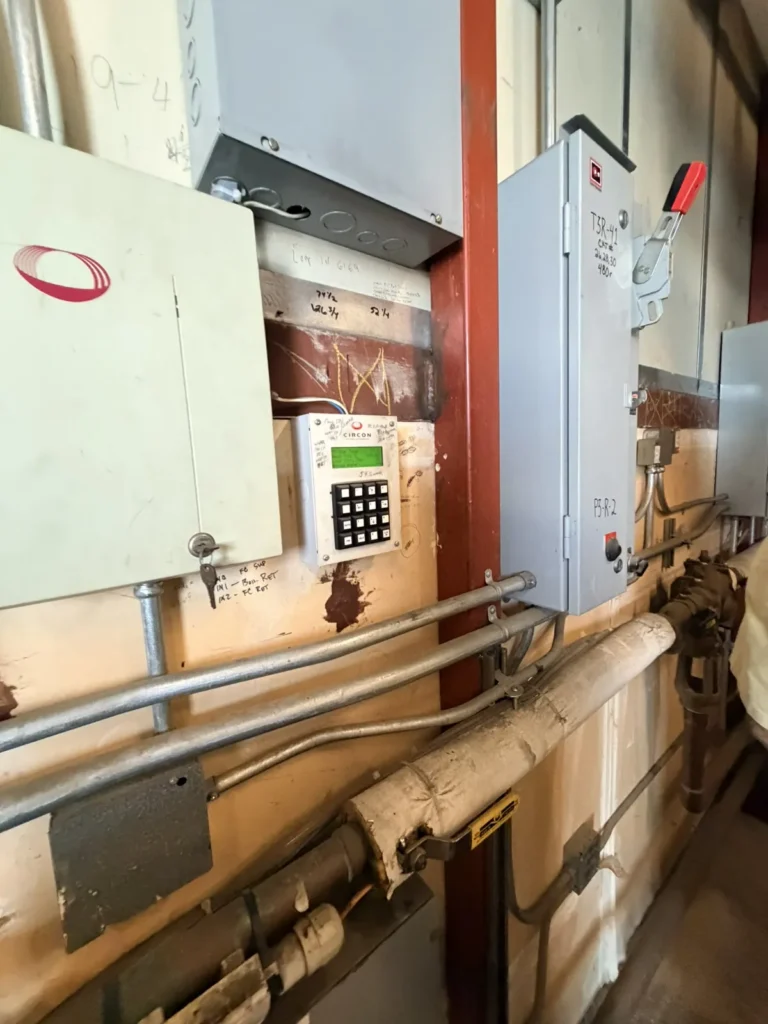
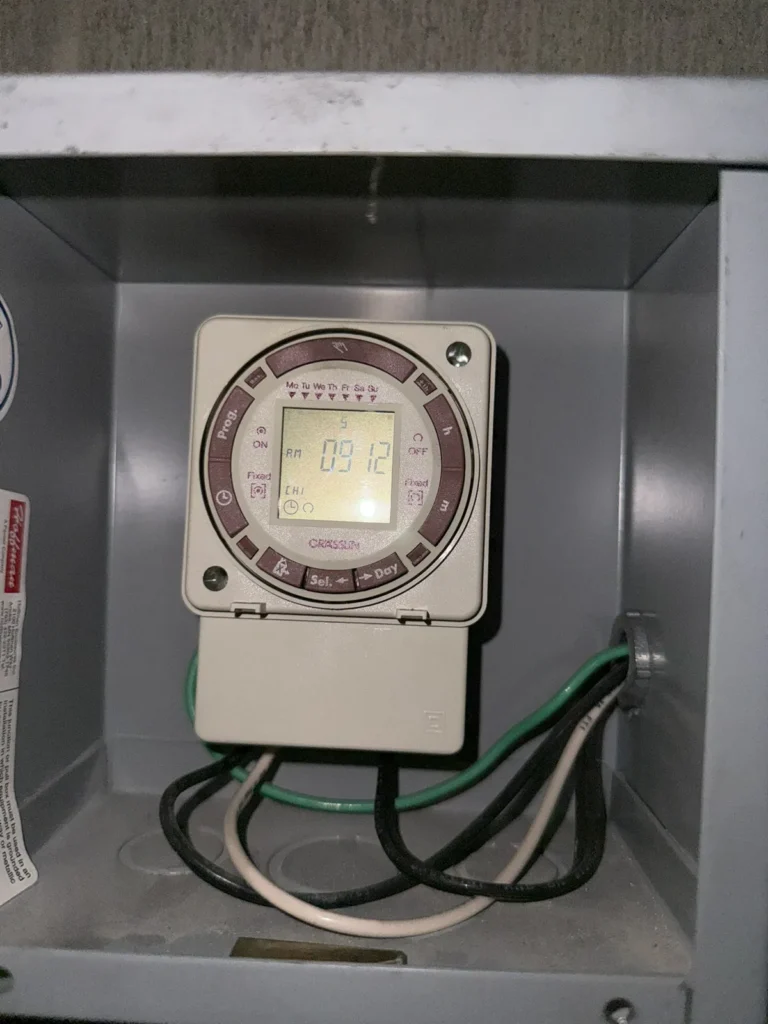
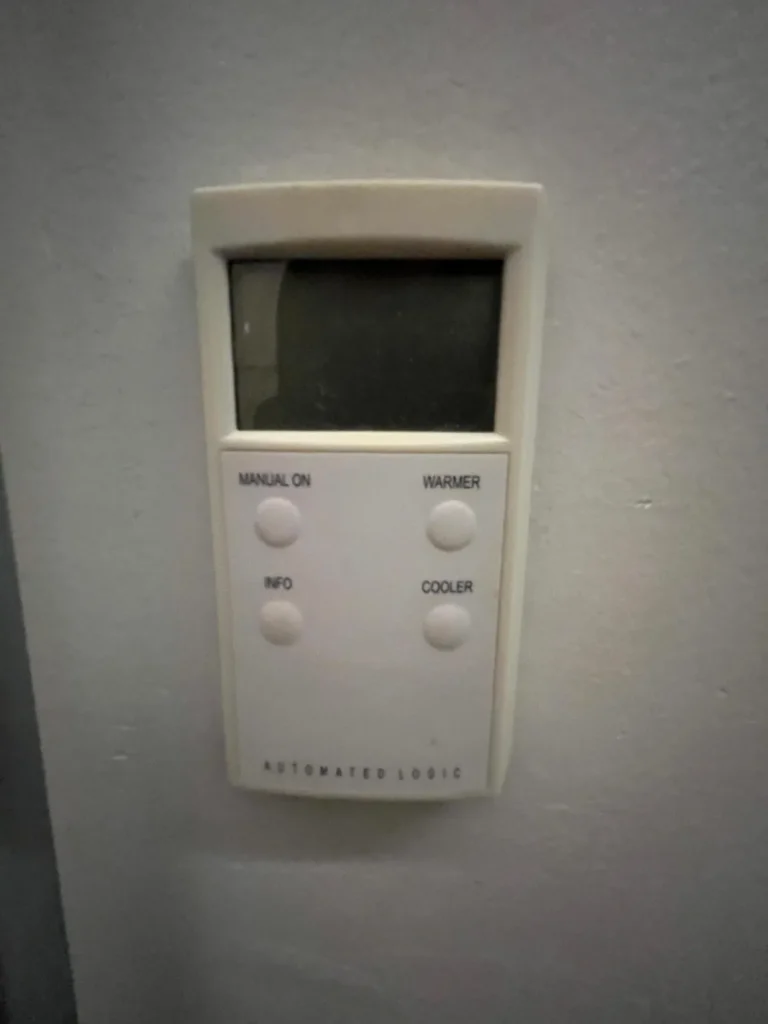
How it works
Call or send a request
Tell us the equipment, what it’s doing, and how urgent it is.
We come look
A field-experienced tech or estimator sees it in person. Most diagnostics take 30 minutes or less.
Straight price first
You get what’s wrong, what it takes, and what it costs before we start.
Done right, written up
We finish clean, test it, and leave a written record of what we did.
What our clients say


Common questions
Can you work with our existing controls system?
In most cases, yes. We’ll tell you whether yours is worth keeping or due for replacement.
Do you do controls on small buildings?
Yes. Smart thermostats, zoning and simple scheduling can make a big difference in small commercial spaces too.
Will a controls upgrade lower my energy bill?
Usually. Bad schedules and broken sensors are some of the most common causes of wasted energy we find.
What is a BAS or BMS?
A building automation system (BAS), also called a building management system (BMS), is the central control system that runs schedules, setpoints and sequences for HVAC equipment and lets you see what it’s doing.
What is the difference between proprietary and non-proprietary building controls?
Proprietary controls use one manufacturer’s protocol and software, so only that manufacturer or its dealer can service them. Non-proprietary controls use BACnet, the open ASHRAE standard, so any trained BACnet contractor can work on them and different brands can talk to each other.
Are TCS controls proprietary?
No. TCS controllers and UbiquiSTAT room controllers are BTL-listed BACnet devices (BACnet IP and MS/TP), and they work with Niagara and other BACnet front ends.
Can another contractor service a controls system you install?
Yes. It is BACnet hardware, you get full access and the full controls drawing set, so any qualified controls contractor can service it.
Can you replace our old proprietary controls?
Yes. We usually do it in phases, starting with failed or unsupported controllers, and tie the new open controllers into what still works so the building keeps running.
Do I need a subscription for TCS controls to work?
No. The controllers run the equipment on their own. The Ubiquity Cloud subscription is only for remote access, so you can see and change schedules and setpoints from anywhere. The first year is included on our installs.
Do I need internet at the building for the controls?
No. If you do not want an internet line just for the controls, we can connect the site gateway through a cellular modem with its own small data plan.
Who installs building automation systems in Redmond and the Eastside?
Omni Mechanical designs and installs non-proprietary building automation with TCS controls in Redmond, Bellevue, Kirkland and across Western Washington, and handles the mechanical side too.
Controls contractor for Seattle and Western Washington
We do building controls from Marysville to Olympia, including Seattle, Bellevue, Redmond, Kirkland, Everett, Tacoma and Olympia. Our own crews handle the mechanical side too, so one company owns the whole job: equipment, controls and startup.
Where we do this work
Ready when you are
Tell us what’s going on. We call you back in less than 1 business day, usually much sooner.
Licensed, bonded & insured · WA Contractor License OMNIMMI779PR · WA Electrical Contractor (HVAC/Refrigeration) EC OMNIMMI740OS · Commercial financing available